

The Living Coast UNESCO biosphere
Lancing and Worthing have joined Shoreham, Brighton and Hove and other communities in Sussex as part of The Living Coast Biosphere - a special area designation awarded by UNESCO to help balance biodiversity and growth.
What is The Living Coast Biosphere?
Operating as a cross-sector partnership of over 40 organisations with Brighton & Hove City Council as lead partner, The Living Coast aims to protect and enhance our wildlife and habitats, promote a sustainable economy and communities, and champion environmental education, training and research.
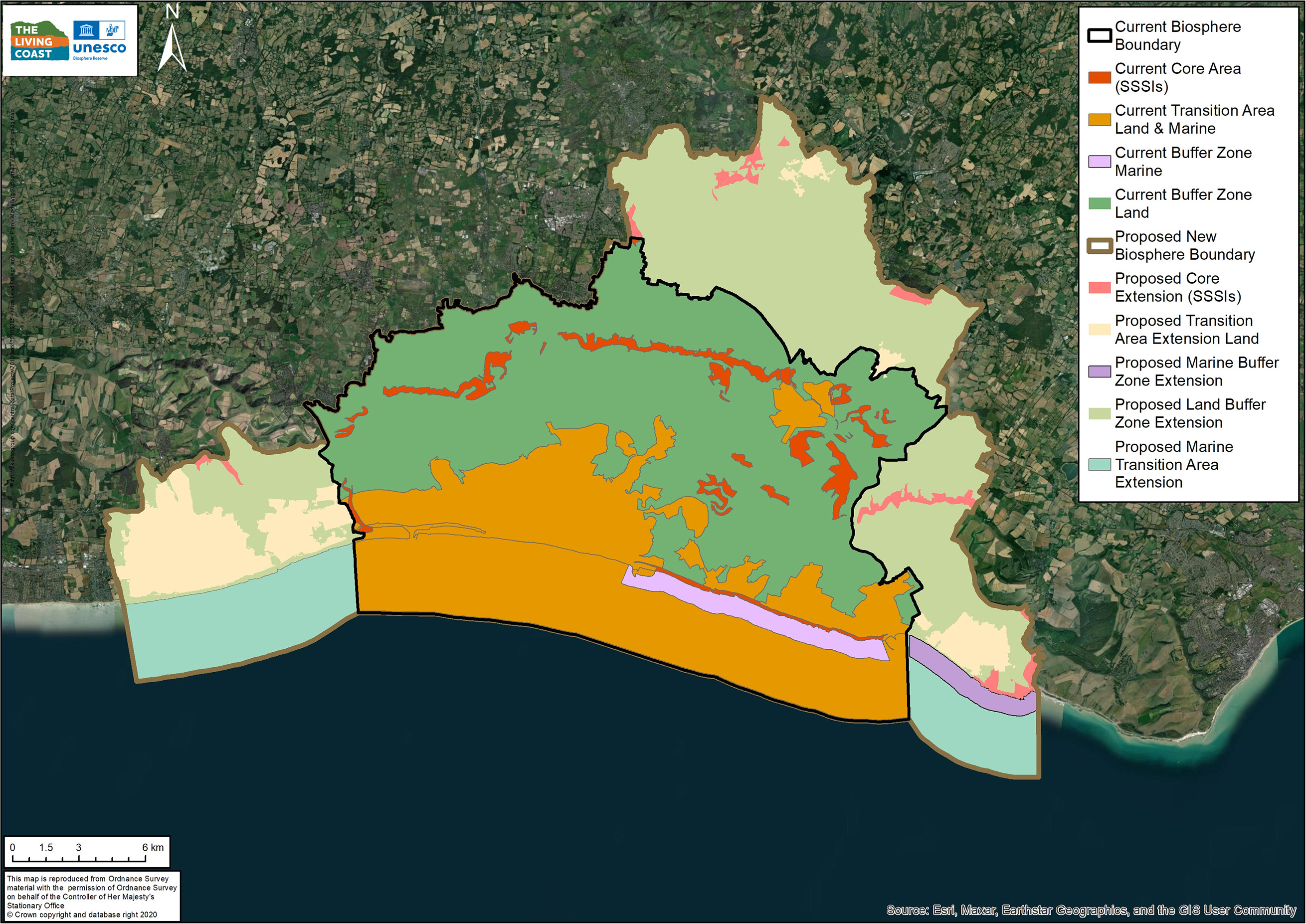
The Living Coast has been a UNESCO biosphere since 2014 and has now been renewed for a further 10 years, as well as expanded to include Worthing in the west, Seaford in the east and stretching north over the South Downs National Park to Wivelsfield and Newick in the Low Weald.
Public engagement with residents, organisations and community groups showed overwhelming support to increase the size of The Living Coast from its original boundary which covered Newhaven to Shoreham.
The new area includes jewels of local environmental and cultural heritage such as Cissbury Ring, Chailey Common, Ditchling Common and Cuckmere Haven.
Map: The Living Coast UNESCO biosphere reserve map showing the extension areas (click on the map for a larger zoomable version)
What has the partnership achieved?
Flagship projects include:
- The Aquifer Project: created to protect the area's precious groundwater.
- Our City, Our World: a programme that enables schools, individuals and communities to learn effectively about sustainability, climate change and the environment.
- Greening The Cities: spreading the wildflowers of the South Downs into urban areas through the creation of new areas of wildflower planting.
The Living Coast continues to support local partners' projects such as a trawler ban to allow marine habitats to regenerate, the restoration of the Cockshut chalk stream in Lewes, the Kelp Recovery Project led by Sussex Wildlife Trust, and Sussex Bay.
The partnership has also delivered toolkits and coaching for greener tourism - helping local tourism businesses cut waste and energy use, and source more responsibly.
For more information, see:
Our vision for nature in Adur and Worthing
Our inclusion into The Living Coast Biosphere aligns with our bold new vision for nature that sets out landscape-scale ambitions coupled with urban action to protect and restore our area's natural environment. The biosphere falls within the larger geography of Sussex Bay, providing new opportunities for strong collaboration along the Sussex coast.
Our new approach builds on the successes of existing actions and goes further to ensure all the strands are pulled together to create five interconnected 'nature recovery corridors' of land and waterway.
These corridors include the Cissbury landscape, the River Adur, Brooklands Park, the green open spaces between Goring and Ferring, and the coastline.
Partnership working, such as The Living Coast Biosphere, will be the core of future projects to enhance and protect nature within and across the area.
To find out more, see:
Photo: Globally rare vegetated shingle habitat on Shoreham Beach
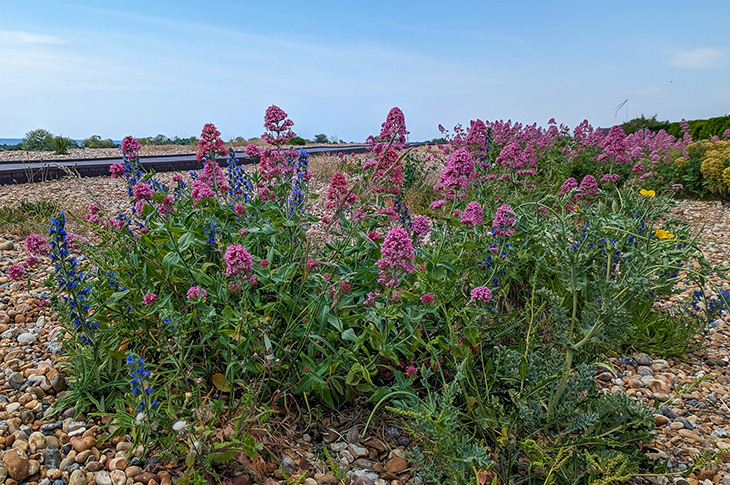
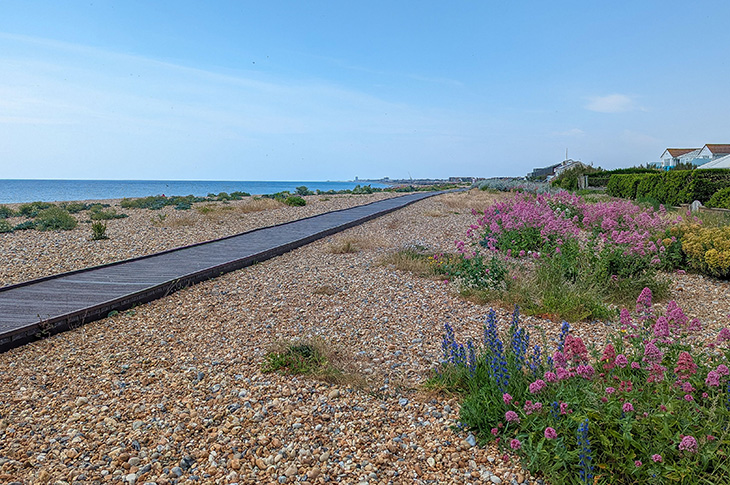
Photo: Lancing Ring
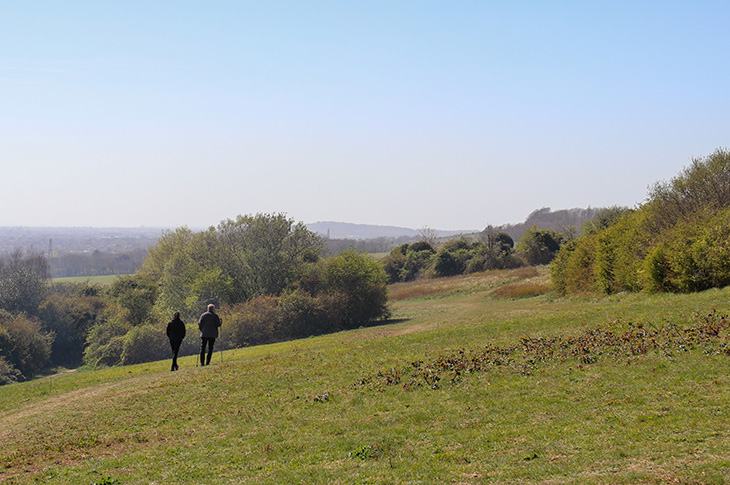
Photo: River Adur, Shoreham
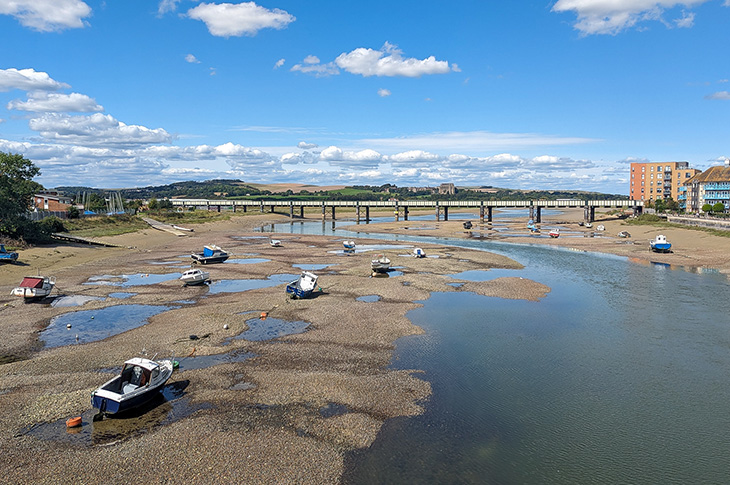
Photo: The River Adur, viewed from Mill Hill, Shoreham
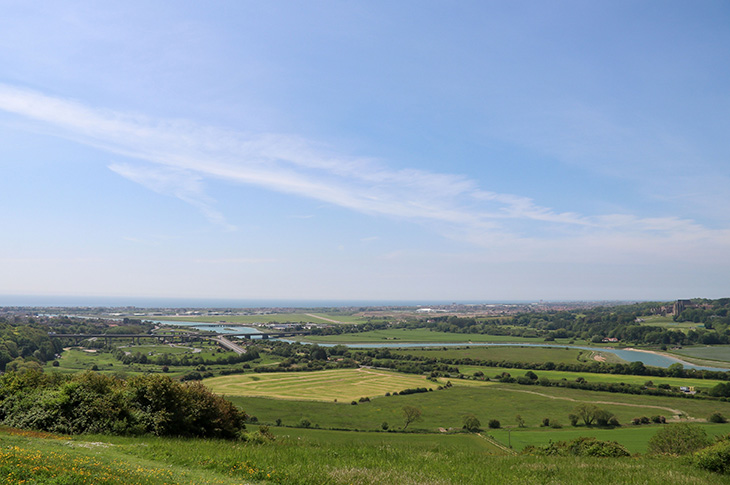
Photo: Cissbury Fields, Worthing, looking towards Findon Valley
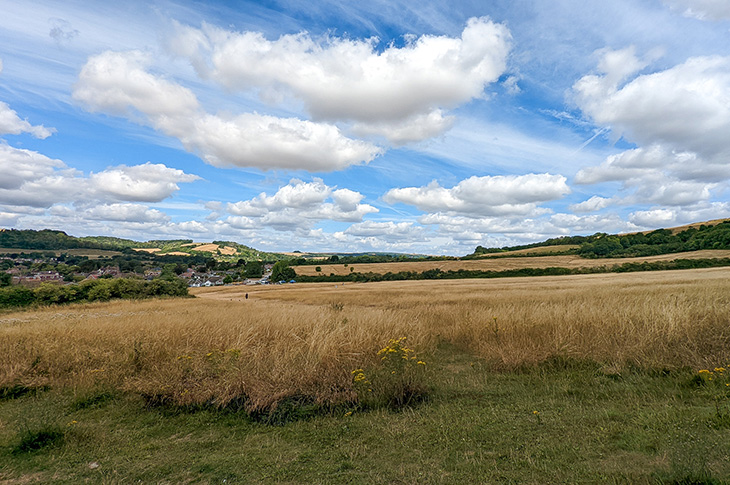
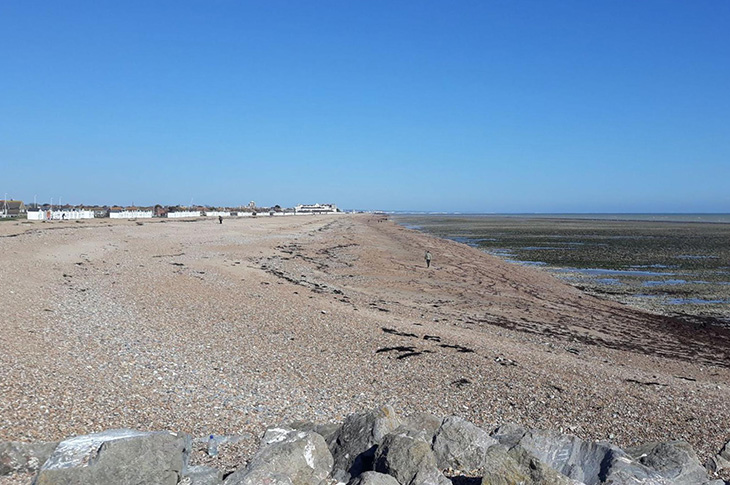
Photo: Worthing Beach - looking east from near Sea Lane Café, Goring
Page last updated: 02 February 2026