

Goring and Ferring Nature Corridor
We're committed to protecting and enhancing the crucial green spaces between Goring and Ferring - areas that are vital for our communities and nature's connectivity between the South Downs and the sea.
We've adopted a vision for nature to preserve and restore Adur and Worthing's environment, improving natural corridors so wildlife can thrive and communities can enjoy the physical and mental benefits that green and blue spaces provide.
We have identified the landscapes running between Goring and Ferring as one of these important corridors, hosting significant tree coverage, diverse habitats and rich biodiversity.
On this webpage you can find out more about the various projects and plans to improve and protect the landscape for future generations.
Photo: Goring Greensward - Wildflowers
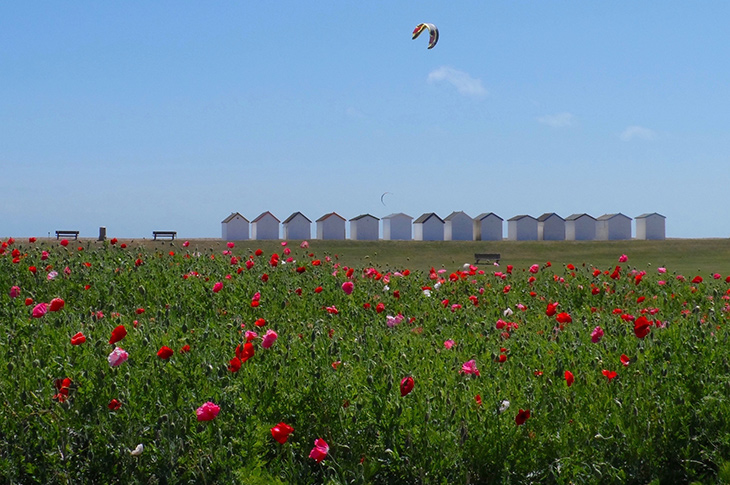
About the nature corridor
The corridor stretches from the sea to the downs, hosting a number of wonderful green spaces that run between the Goring and Ferring boundary.
We are responsible for managing Goring, the eastern side of the boundary, while Ferring to the west is primarily managed by Arun District Council and Ferring Parish Council.
In Goring, we are committed to protecting Goring Gap, a large and diverse green space by the sea which has been recognised as especially important for wildlife and designated as such in the Worthing Local Plan.
Photo: Wildflowers at Goring Greensward
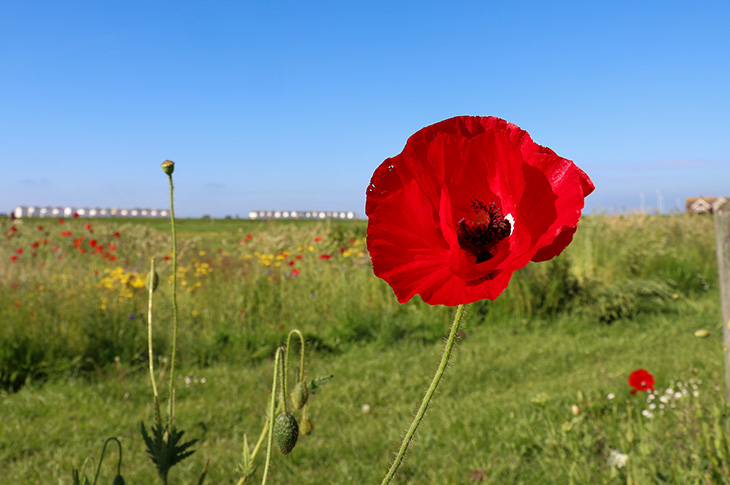
The wider gap hosts acres of green space, a promenade and our picturesque coastline, which are enjoyed all year round by residents and visitors of all ages. The close proximity of the blue and green landscapes also offers great opportunities and benefits to nature.
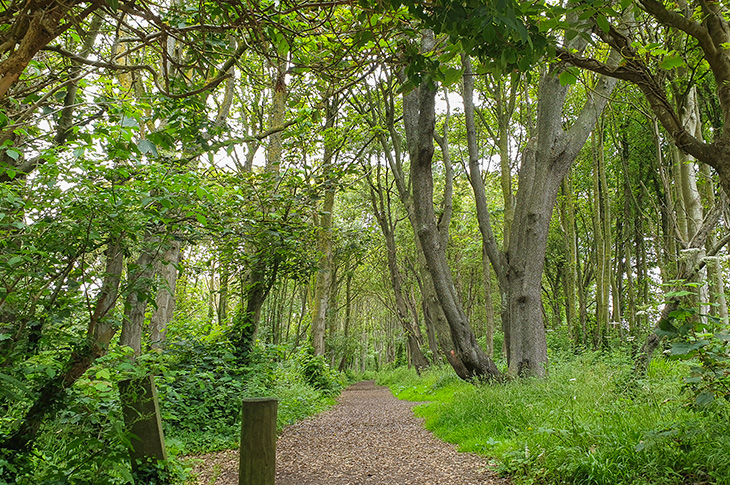
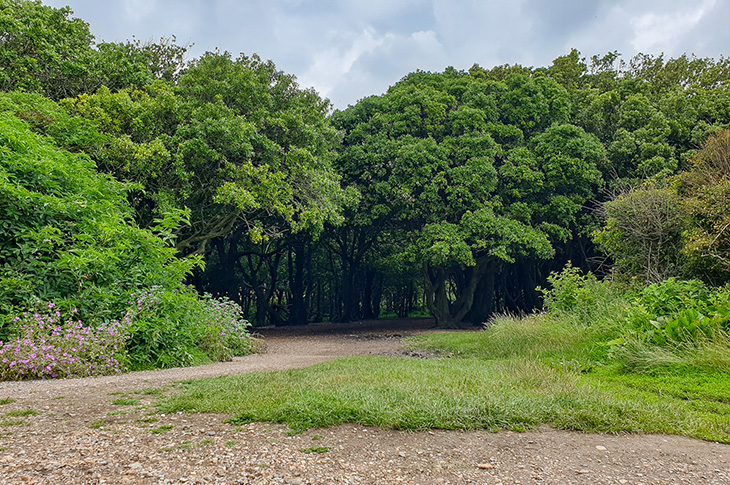
Goring Gap is also home to the Plantation, a semi-natural linear woodland extending from Goring Hall to the seafront. The woodland primarily hosts Holm oak and Sycamore trees, with more species added in recent years to enhance the site's biodiversity.
Photo: The Plantation at Goring Gap
Moving further north, we'll also continue to preserve Highdown Gardens, our much-loved chalk gardens on Highdown Hill. The gardens are a key asset within the corridor, and our teams are actively working to further increase their offering for nature, as well as the many visitors who enjoy the impressive and rare plant collection each day.
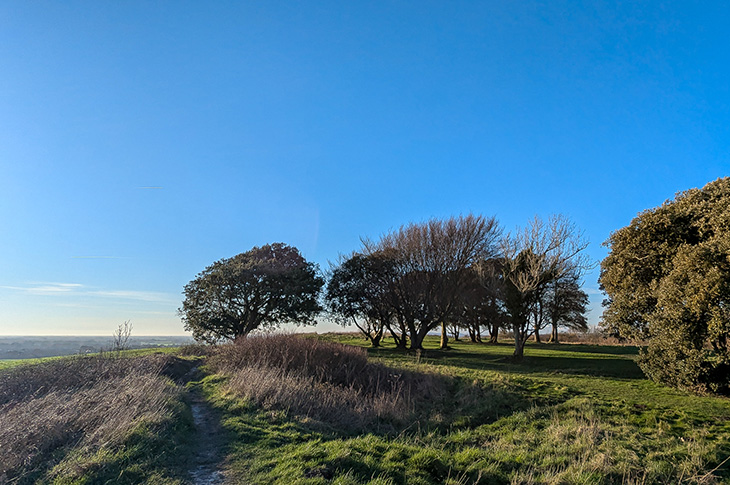
Highdown Hill and its surrounding downland falls within the South Downs National Park and is managed by the National Trust. There can be up to 40 different wild plant species across the internationally-important chalk grassland landscape, attracting various butterflies, moths, insects, birds and animals that benefit from its food sources and habitat.
Photo: Highdown Hill, Worthing
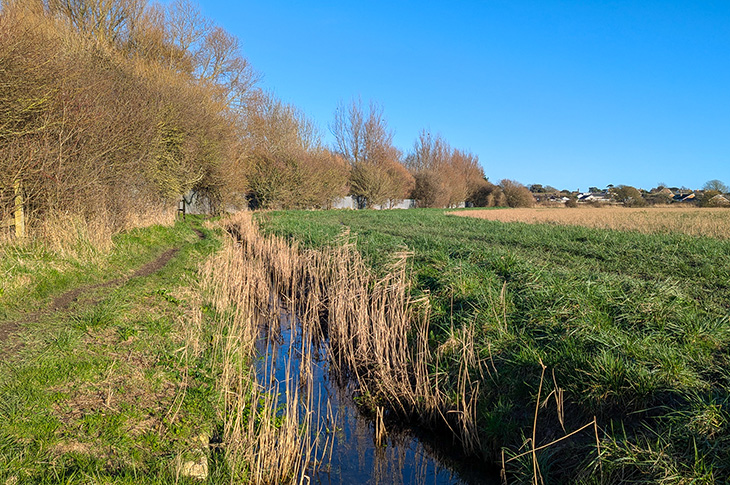
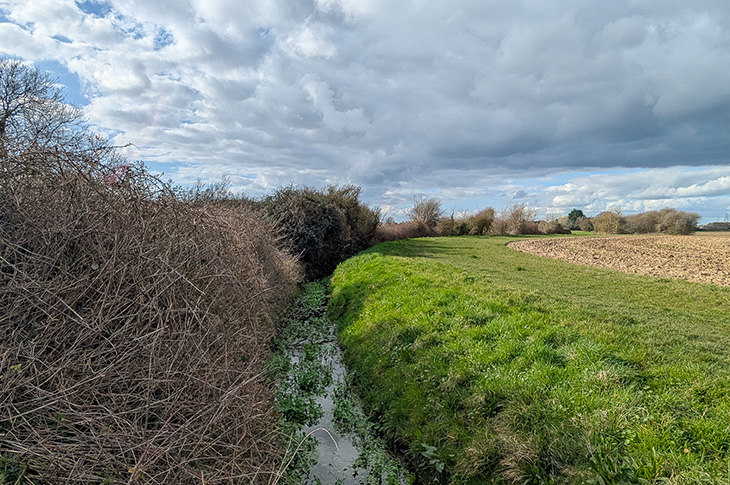
Ferring Rife and its surrounding habitats are also hugely important to the corridor, and highlight the power of community-led conservation. Local volunteers are actively working to protect and enhance the site, which hosts diverse areas of grasslands, hedgerows and wetlands to support a variety of wildlife.
We have also shown that we're committed to protecting green gaps like Chatsmore Farm from development, to ensure that wildlife and our communities have open spaces to enjoy.
We're excited by the corridor's potential and look forward to working with our nature partners and Adur and Worthing's dedicated volunteer groups, as well as those in neighbouring areas such as Arun, to maximise their benefits.
Photo: Ferring Rife
Improving seawater quality at Goring Beach
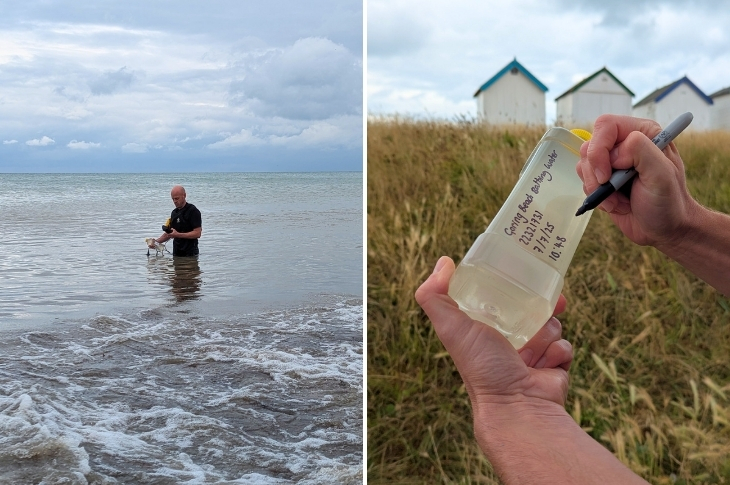
We are working in close partnership with the Environment Agency and Southern Water to improve the quality of the seawater at Goring Beach.
The stretch of coastline is one of Worthing's three designated bathing water sites. Designation means the beach's water quality is sampled weekly by the Environment Agency across each bathing season, which runs from May to September in the UK.
Samples are analysed for harmful bacteria and the results are used to help classify the bathing water quality as either Excellent, Good, Sufficient or Poor. This regular monitoring helps identify any areas where seawater quality needs to be improved.
Photo: The Environment Agency taking a sample of the seawater at Goring Beach
We are working collectively with the Environment Agency, Southern Water and West Sussex County Council to identify and tackle sources of pollution affecting our coastline.
Goring Beach has seen a welcome improvement in its coastal water quality over the last year, being upgraded from ‘Sufficient' classification to ‘Good'. Investigations are ongoing to identify sources of pollution at all our sites, but we're pleased by the encouraging signs of improvement at Goring Beach, which is loved by swimmers and watersports fans.
A clean, healthy coastline is not only essential for people's enjoyment of our blue spaces, but is hugely beneficial to the marine environment too. Bacteria-free coastal water maintains the health of essential ecosystems - such as kelp farms, reefs and seabeds - that help develop marine life, protect coastlines and have great carbon-catching abilities.
We are proud to be working in partnership with Sussex Bay to help restore the once-thriving marine ecosystem along our coastline. Sussex Bay is a collaborative initiative bringing together councils, partnerships and universities, all united by a shared ambition of seeing 100 miles of coastline and rivers flourishing once again. To learn more about this vital work and the long-term vision for recovery, See:
To find out more about bathing water quality in Adur and Worthing, see:
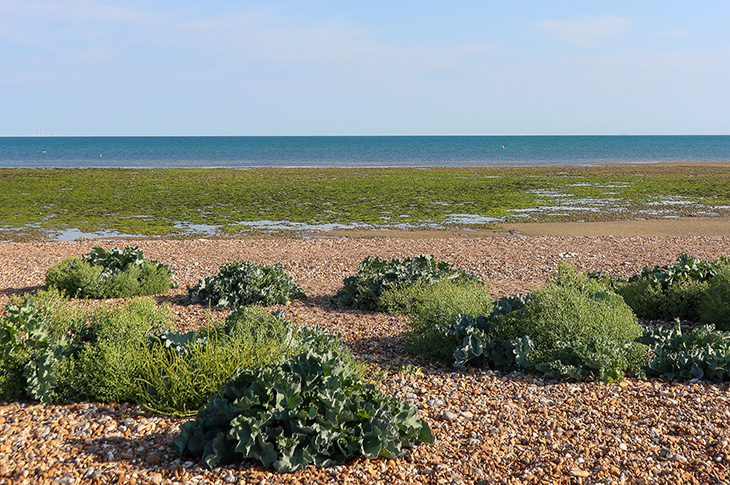
Photo: Goring Beach
How can I help look after the area?
You can help preserve the landscape by simply disposing of litter responsibly and sticking to designated paths that help protect sensitive habitats and wildlife.
This includes protecting the vegetative shingle on Goring Beach. This rare and fragile habitat supports specially adapted plants that can thrive in harsh, salty and wind-exposed conditions, creating shelter and food sources for insects, birds and other wildlife. It’s important that we avoid trampling on this rare coastal habitat while enjoying the coastline.
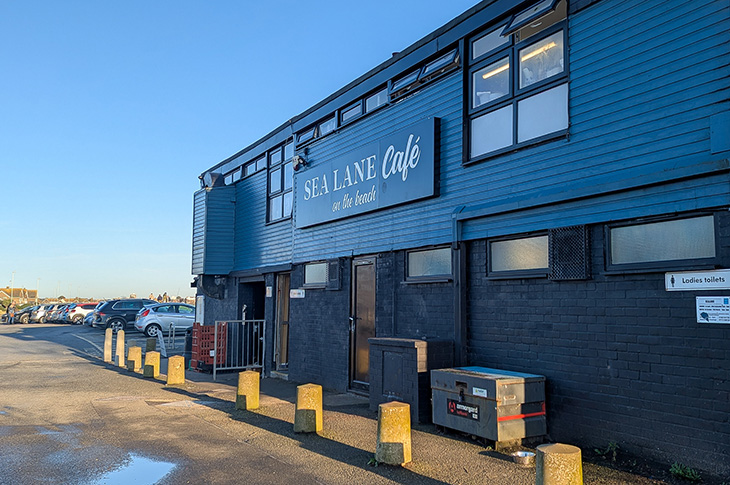
If you want to go the extra mile, there's a free-to-use litter pick locker containing bags, hoops and pickers for community use to the rear of Sea Lane Café. These units, which are also available in Worthing by Coast Café and at Victoria Park, allow for impromptu cleaning.
- Find out how to access the lockers
- Equipment is also available at our Coastal Office
You can also get involved with local groups, such as Goring and Ilex Conservation Group, Ferring Conservation Group and Ferring Rife Wildlife, by volunteering or spreading awareness of their causes. The Highdown Gardens team are also welcoming to new volunteers - you can find out more:
Photo: The litter pick locker behind Sea Lane Café on Goring seafront
Preserving Goring's green spaces
We're fortunate there are hundreds of volunteers that help care for the important green spaces in the Goring and Ferring corridor.
The Goring and Ilex Conservation Group has more than 400 members who support our parks team in caring for areas such as the Goring Gap, Ilex Avenue and The Plantation. These spaces are important for wildlife, local history, and for giving people peaceful places to enjoy the great outdoors.
The group supports our parks team with land care, woodland management and path maintenance. It also hosts litter picks to ensure the area's green spaces are clean and provide a welcoming habitat for wildlife.
Its members help protect green spaces by speaking up for their long-term care and help campaign against unsuitable development, ensuring these spaces can be enjoyed for many years to come.
We are delighted to have the group's support in caring for our green spaces, and would like to thank its members for being so generous with their precious time.
The Goring and Ilex Conservation Group is always looking for new members to support its work and spread its messages. If you are interested in joining or would like to find out more, please visit their website:
Photo: The southern end of The Plantation on Goring seafront
Volunteering along Ferring Rife
The rife, which is a local term for a stream, is an anchor project of the corridor that exemplifies the power of community-led conservation.
Volunteers at Ferring Conservation Group are actively working to protect and enhance the landscape, which stretches from Ferring Beach in the west to Durrington in the east.
The group's activities include tree planting, wildlife surveys, clean ups and campaigning against inappropriate development. It also hosts a number of meetings and talks each year, where subscribers and members of the public can learn more about conservation and the history of the landscape.
Ferring Conservation Group is always looking for new members and sponsors, so be sure to visit their website if you would like to find out more:
Photo: Ferring Rife
Links to our partners and projects
Huge thanks to all our partners, community groups and volunteers who help make the River Adur and the estuary a better place for everyone and nature to enjoy:
Page last updated: 06 March 2026